
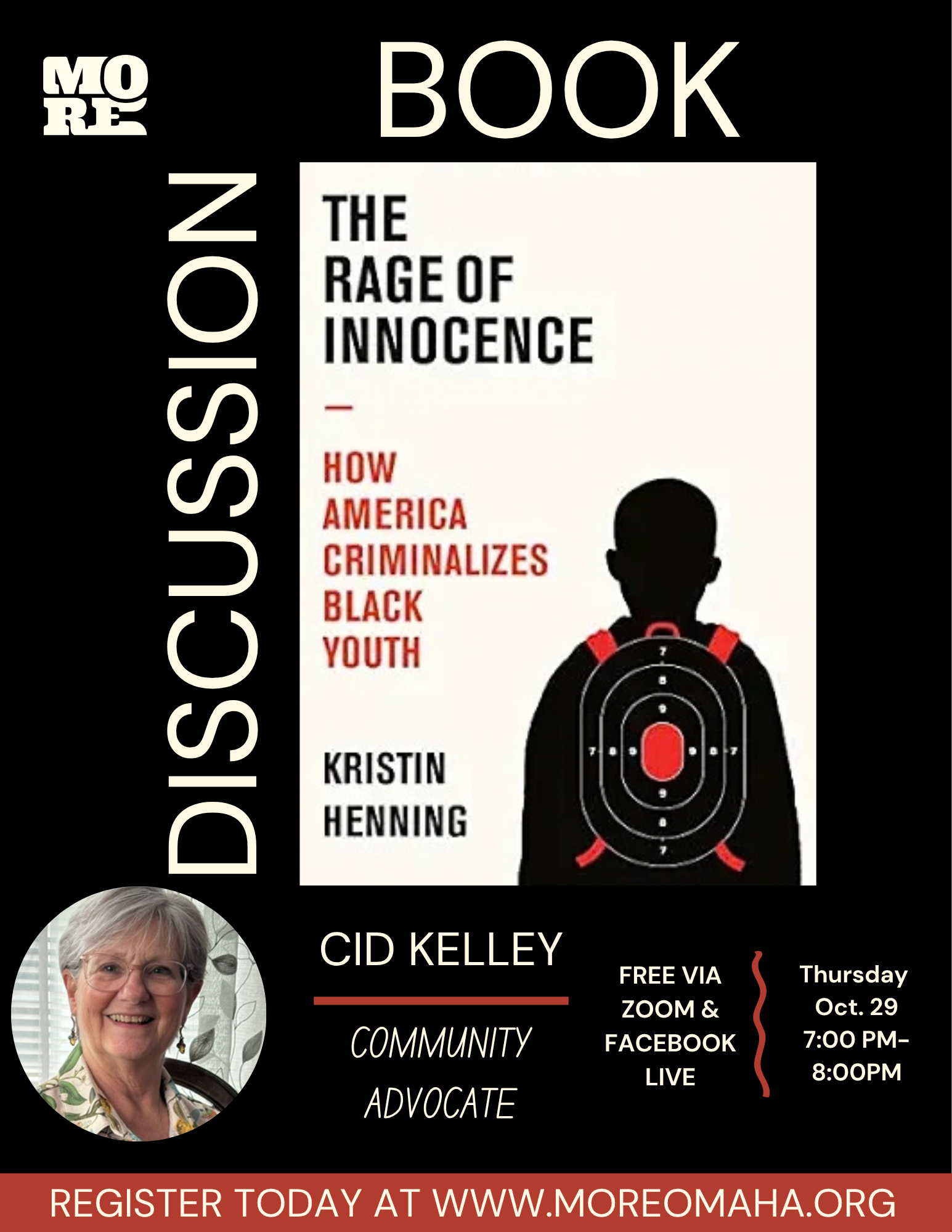
How America Criminalizes Black Youth
The Rage of Innocence: How America Criminalizes Black Youth by Kristin
Henning-Book discussion- Thursday, October 29, 2026.
Over the past few months, we have learned about the Omaha Police Department and
Omaha Public Schools, and the controversy over shock gloves used against students.
This book outlines the problems and why educational regimes have played an integral
role in the public school system across the country. The Omaha Police Department
illustrates miscommunication through emails and the school districts cover-up of its tacit
agreement on the shock-glove issue. It’s apparent we have lazy folks working in the
district.
Cid Kelley, a teacher in the school system, community worker in various nonprofits,
gardener, and North Omaha resident, will outline the book’s salient points with A’Jamal
Byndon, Chairman of MORE.
A’Jamal Byndon has taught race diversity, African American Family Course, and Black
Studies and Public Policy courses for over 30 years as an adjunct at Metropolitan
Community College, Nebraska Methodist College, and the University of Nebraska, and
has seen many students who were victims of the trauma of being African American in
racist educational systems.
We will use salient points in the book outlining how the educational system creates the
school-to-prison pipeline and why many parents homeschool their students or place
them into private schools because of little to no accountability of SROs, long-term
academic achievement for African American students, and collaboration by schools to
have police officers play the meanest roles in the criminalization of Black Students. Yes,
a system that has a disproportionate number of students in Douglas County “Kitty Jails,”
to a prison system that offers apartheid services, illustrates why this book should be
mandatory reading in dysfunctional teacher training institutions that send in poorly
trained teachers who lack the skills to deal with racism, historical segregation, and much
more. Henning (2021), a law professor, documents so-called community policing and
how police oversaturate the African American community, bullying many students and
putting too many in the gang database, and reap inordinate government funds for
blaming innocent associates or relatives for trivial issues.
The book outlines programs and ideas that can reverse those disparities by treating
students as potential contributors to their communities instead of cannon fodder for the
Juvenile Justice and Child Welfare system and, ultimately, the Prison-Industrial
Complex. With the Omaha Police Department's income growth over the past few years,
some question why those SRO million-dollar contracts shouldn't come from a
mismanaged school budget in the red because of historical malfeasance by
incompetent leadership. The Omaha Police Department should have its SRO read the
book and help reverse arrests for noncriminal student behavior. We invite the public and
officials in the Nebraska Department of Education to join this book discussion to help
reverse the current state of the poor education system. You can find this book at most
places that sell or lend books to the reading public.
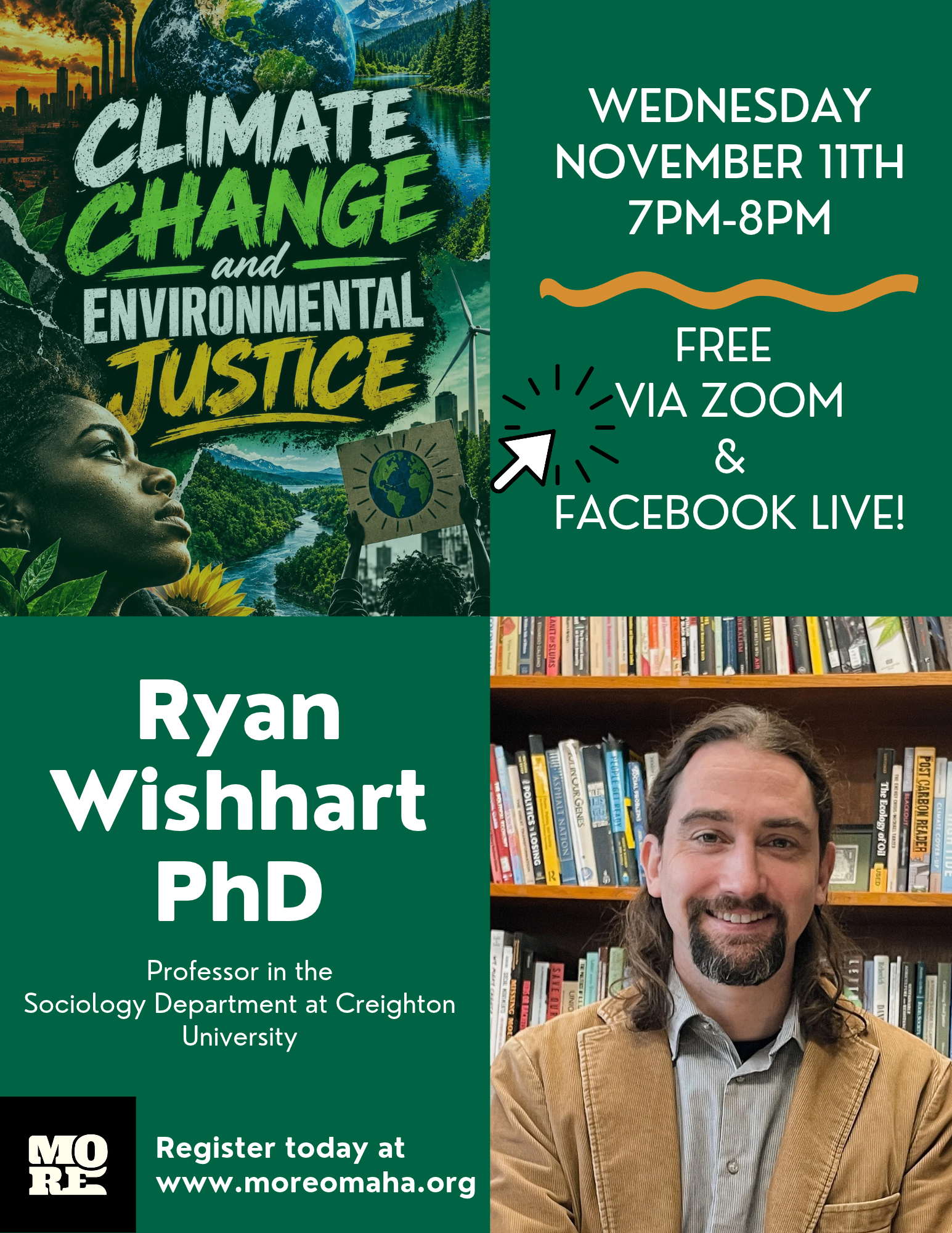
Climate Change & Environmental Justice
Climate Justice and Its Impacts on People of Color, low-income families, and the
Community.
Ryan Wishhart, PhD, is a board member of Nebraska for Peace and a professor in the
Sociology Department at Creighton University. He has written several academic articles
on Climate Justice and Equality and recently participated in a book discussion on
Artificial Intelligence.
This program or interview will discuss Climate Justice, and our aim is to deconstruct
those concepts for community members.
As we listen to arguments from proponents and opponents with strong views, many fail
to educate lay people about the salient nuances of the potential impact on their lives.
Our goal is to raise these issues for grassroots folks who want to look beyond the
strident rhetoric and grandstanding speeches of political pundits carrying water for
others.
Dr. Wishart is open to dialogue and discussion about what we should know about these
local and global issues and how they affect our families and community. Join us on
Wednesday, November 11 at 7 p.m.
Prison Reform: Addressing the Challenges Facing Nebraska Women | Carla M. Walker
Carla Walker, a formerly incarcerated military veteran, RISE and Community Justice Center Board Member Carla is a military veteran who served over five years in prison in York an at Lincoln's Work Release Center. She advocates for civilians and justice impacted veterans. She is a community activist, public speaker, writer, and community supporter whose work centers dignity, healing, accountability, and meaningful systems change. Carla is a consultant with the Nebraska Coalition to End Sexual and Domestic Violence, a Peace Fellow and facilitator with the Alternatives to Violence Project (AVP), a contributing writer for the Nebraska Criminal Justice Review, and a member of the Community Justice Center Board. We will talk about the experiences of incarceration, reentry, violence, trauma, restorative practices, and the ways communities can better care for one another. Too often we focus on incarcerated men in prisons, yet in Nebraska there are over 333 women at York. And the numbers will increase.
Cancer in The Community
Juan A. Santamaria MD, FACS FSSO , Associate Professor of Surgery , Breast Surgery Section Chief Department of Surgery, Division of Surgical Oncology, University of Nebraska Medical Center Fred & Pamela Buffett Cancer Center Dr. Juan Santamaria is a surgical oncologist and an Associate Professor of Surgery at the University of Nebraska Medical Center (UNMC) and the Fred &; Pamela Buffett Cancer Center (FPBCC) in Omaha, NE. A Panamanian American born in Detroit and raised in Panama, he completed medical school at the University of Navarra in Pamplona, Spain, followed by a general surgery residency at McGovern Medical School at the University of Texas in Houston. After a surgical oncology fellowship at the John Wayne Cancer Institute in Los Angeles in 2020, he joined UNMC and the FPBCC as a faculty surgeon. In 2023, he served as chair of the National Hispanic Medical Association (NHMA) Nebraska chapter. He has authored over 50 peer-reviewed publications and received over $850,000 in federal, state, foundation, and internal awards.
Beyond Azlan: Book discussion with Dr. Isidro Ortriz, Dr. Octavio Garcia, and Dr. Patrick Velasquez
This is a program deconstruction or book discussion of Mario Barrera's 1988 book, which still reflects the challenges Chicanos face in navigating national identity and making a better life for the masses. Dr. Barrera offers theories and ideas that could be a road map to deal with the white supremacy and fascism that is growing under the present administration. Our discussion focuses on how we can explore the historical and current contexts within the Chicano community to help address many of the barriers families face in the Southwest and across the global community. It is rare for scholars who have not forgotten where they come from to help the oppressed by going back to their roots.
Reading List on Racism and MORE.
We argue that the linchpin of American Democracy is Racism and the hundred years of the Enslavement of Africans and the genocide of Native American or Indigenous people. However, in post-secondary institutions in many cities, including Black Studies Departments, courses on Racism are not offered (or
allowed). Therefore, if we are to learn about the lynching, castrations, and murder of African Americans, we must step outside of those white supremacist institutions that receive an inordinate amount of government funds to appease the current regime. We also cannot ignore the genocide that is practiced by the United States government and its Zionist allies to repeat history that has occurred in other countries.
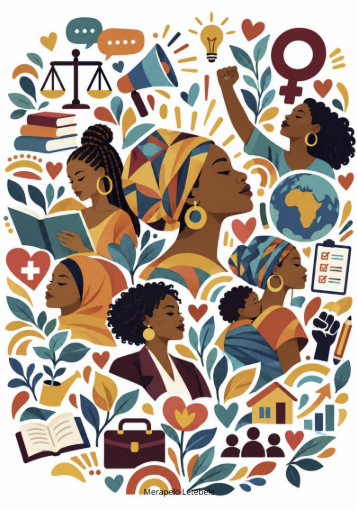
Can Women Liberate Themselves and Achieve Quality Without Men.
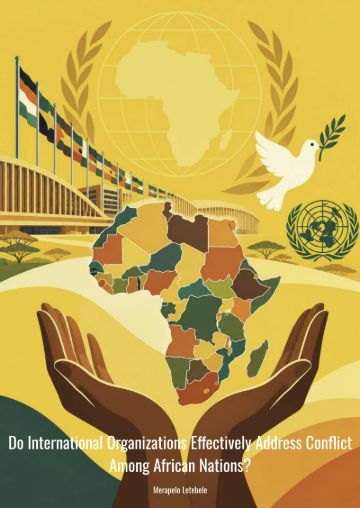
Do International Organizations Effectively Address Conflict Among African Nations
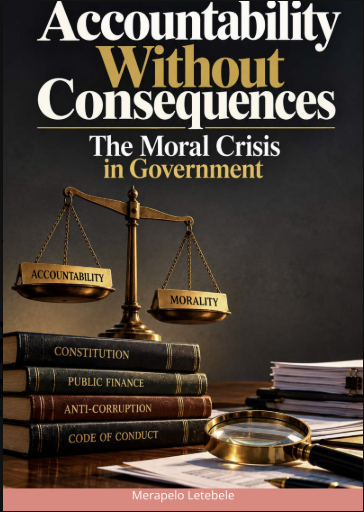
Accountability Without Consequences
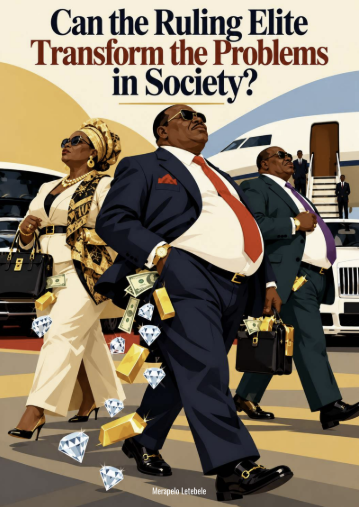
Can The Ruling Elite Transform the Problems in Society
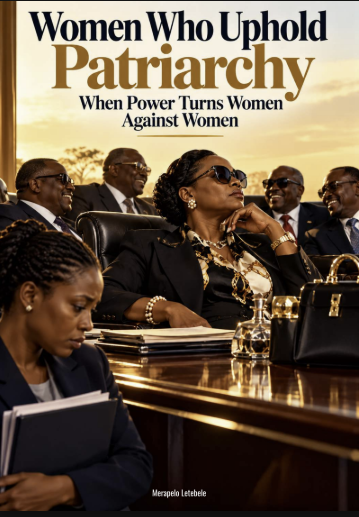
Women Who Uphold Patriarchy When Power Turns Against Women
We are working on a report on the effectiveness of these civil rights organizations, such as the city’s Omaha Human Rights and Relations Department, in addressing their mission. It’s come to our attention that they have little to no empirical data on the success of addressing racism, and historical discrimination and, most of all, engaging communities of Color with the transformation of the problems into reasonable solutions. When a public fund organization does work have little or any social capital with oppressed African Americans and other People of Color, it is time to ask for change. What good are third-string quarterbacks who can’t play in the Superbowl of anti-racism? Can we point to one success story and whom they helped in the valley of the struggle that can offer testimonials to outcomes?
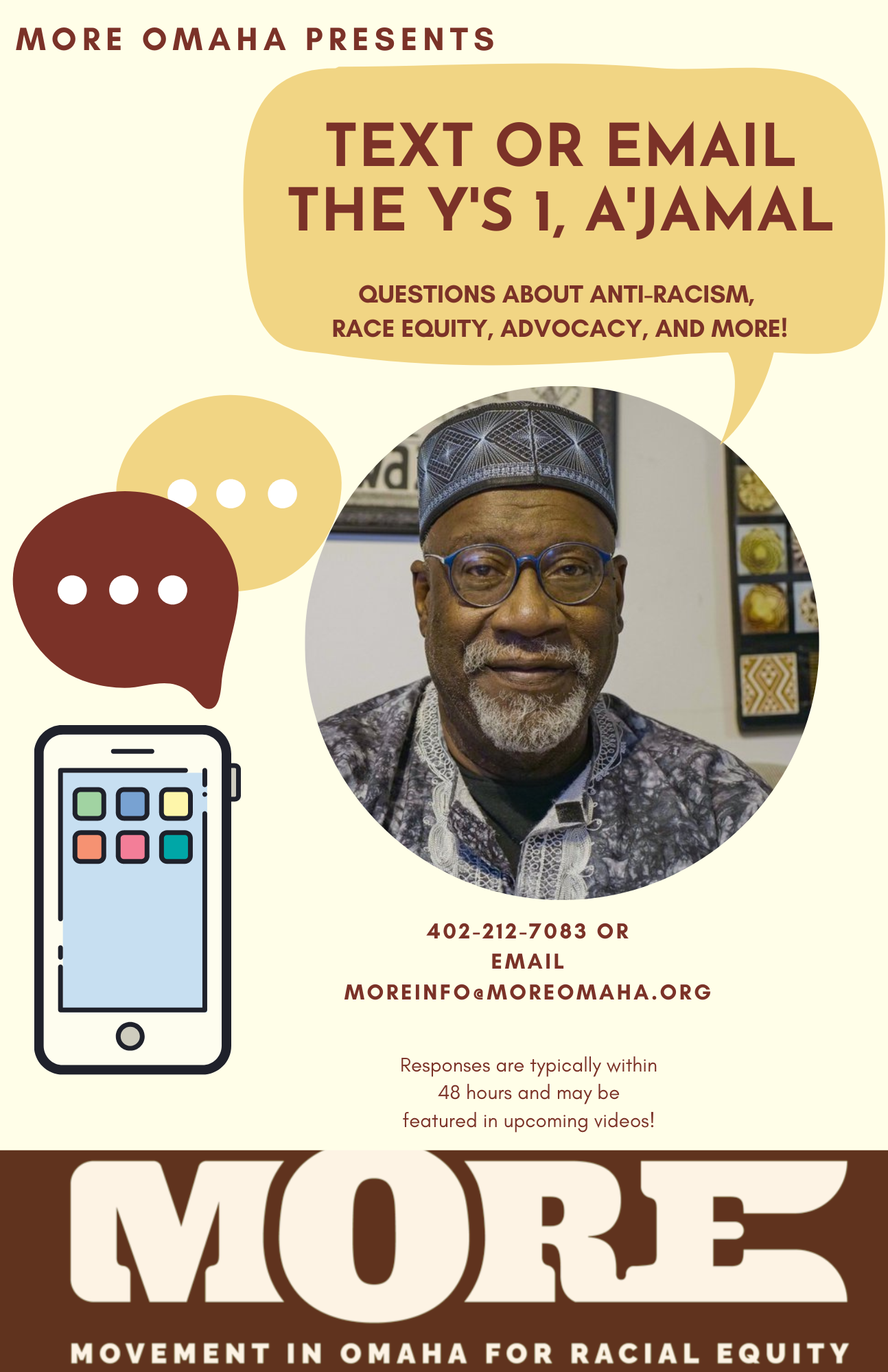
Got any questions regarding anti-racism, race equity, or community advocacy but have never seemed to be able to get any answers? Or incidents handled by Nebraska Equal Opportunity Commission , Nebraska Urban League, or any government funded organizations. -
Text or Email A’Jamal at 402-212-7083 or email moreinfo@moreomaha.org

Mail + Donations via Check
For all mail, or donations via check please mail to:
2016 Fowler Ave
Omaha, NE 68110
402-212-7083
EIN: 27-0666026
